
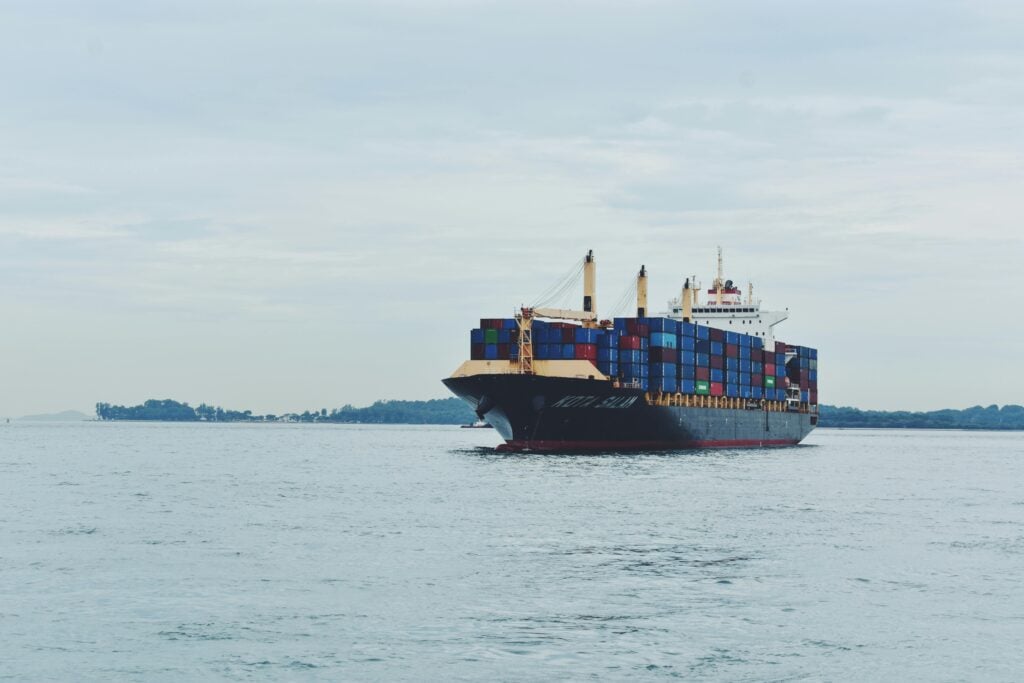
Transition to new fuels in shipping
Driven by stricter regulations and global climate targets for 2050, shipping is transitioning from heavy fuel oil to low- and zero-carbon alternatives.
Decarbonization requires new fuels, technologies, and approaches to engine design and emissions monitoring. Shipowners are increasingly adopting a multi-fuel strategy – combining near-term solutions like LNG and methanol with longer-term options such as ammonia (NH3) .
The multi-fuel pathway makes the emissions landscape more complex, since different fuels bring distinct emission profiles, operational implications, and compliance requirements.
The challenge of new fuels
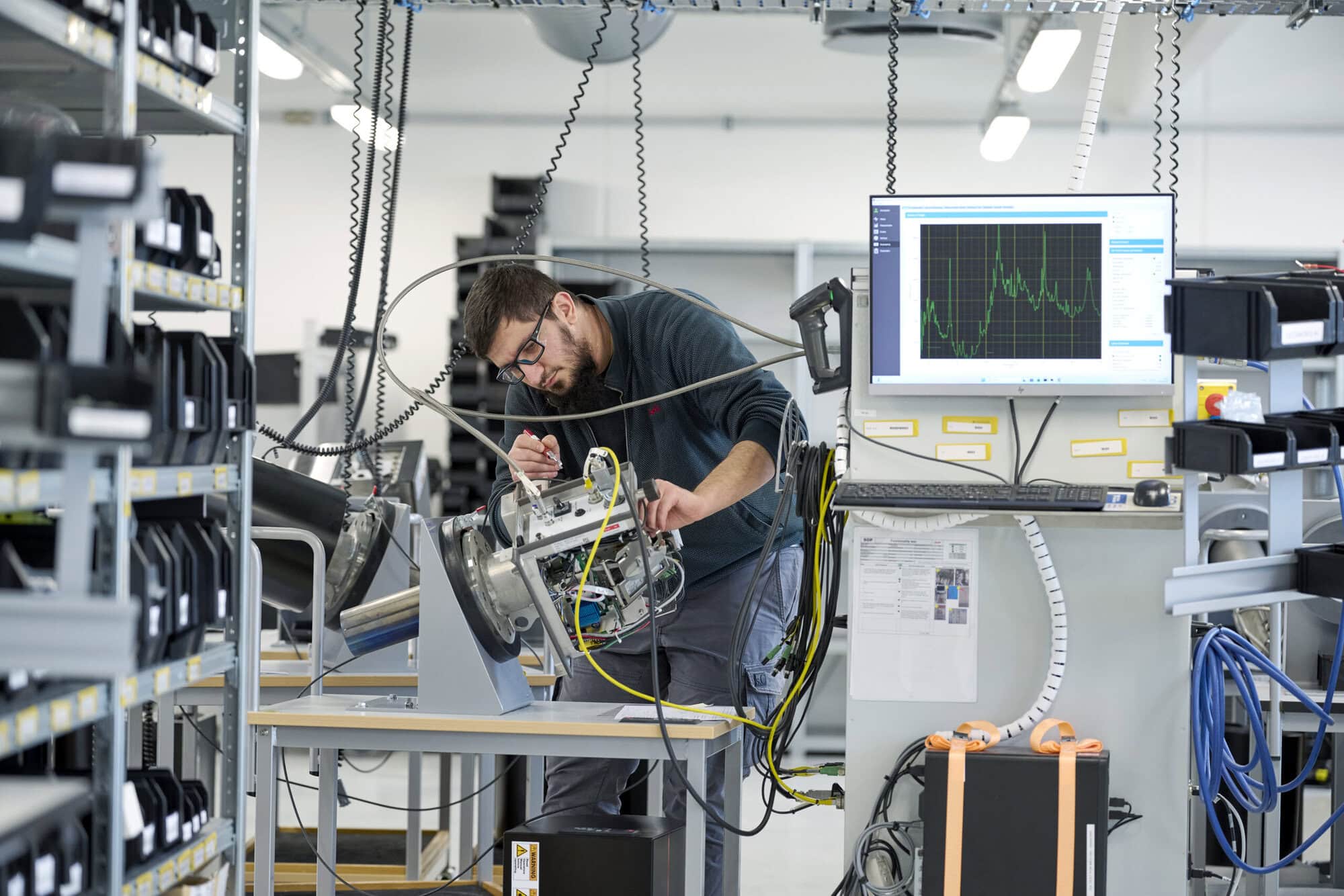
Within the future fuels pathway, ammonia represents a promising zero‑carbon option, but its transition from pilot projects to commercial deployment introduces new challenges. Advancing ammonia as a marine fuel requires innovation across engine readiness, safety systems, emission control technologies, and monitoring capabilities – along with evolving expectations from classification societies.
In this evolving future fuels landscape, accurate, continuous emissions data is becoming increasingly critical – not only for regulatory reporting, but also for supporting integrated control and optimization of engines and aftertreatment systems, ensuring safe and efficient vessel operations.
Engineered to meet the challenges of ammonia monitoring
As a thought partner and CEMS technology integrator across the maritime value chain – including engine OEMs, shipyards, and shipping companies – Danfoss IXA closely follows the challenges of ammonia as a future fuel. One of the most critical requirements is real‑time, precise monitoring of ammonia slip, particularly at the higher concentration levels associated with ammonia engines and SCR systems.
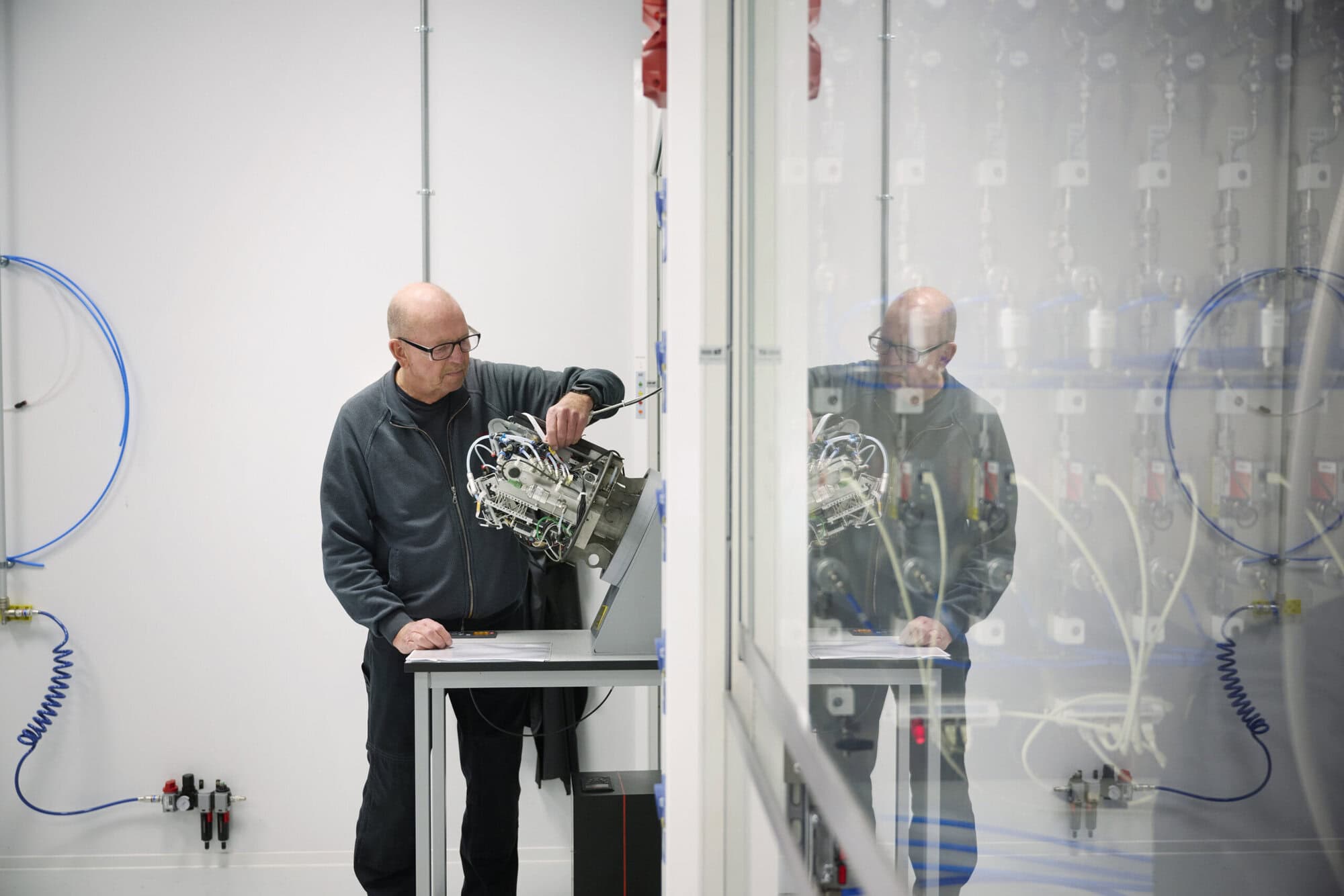
Danfoss IXA CEMS technology is engineered to meet these challenges. Our solution represents a significant advancement in emissions monitoring, supporting the optimization of ammonia‑ready engines and aftertreatment systems. Unlike conventional fuel engines, ammonia engines require extended measurement ranges to ensure safety, efficiency, and regulatory compliance.
The MES 1001 Ammonia is specifically designed for this purpose, offering an extended measurement range of up to 1,000 ppm NH3 – engine developers with the confidence needed to accelerate the transition to ammonia-fuelled vessels.

Preparing for ammonia as a fuel?
Reach out to our experts for guidance on reliable emissions monitoring and optimized system performance on ammonia-ready vessels.