
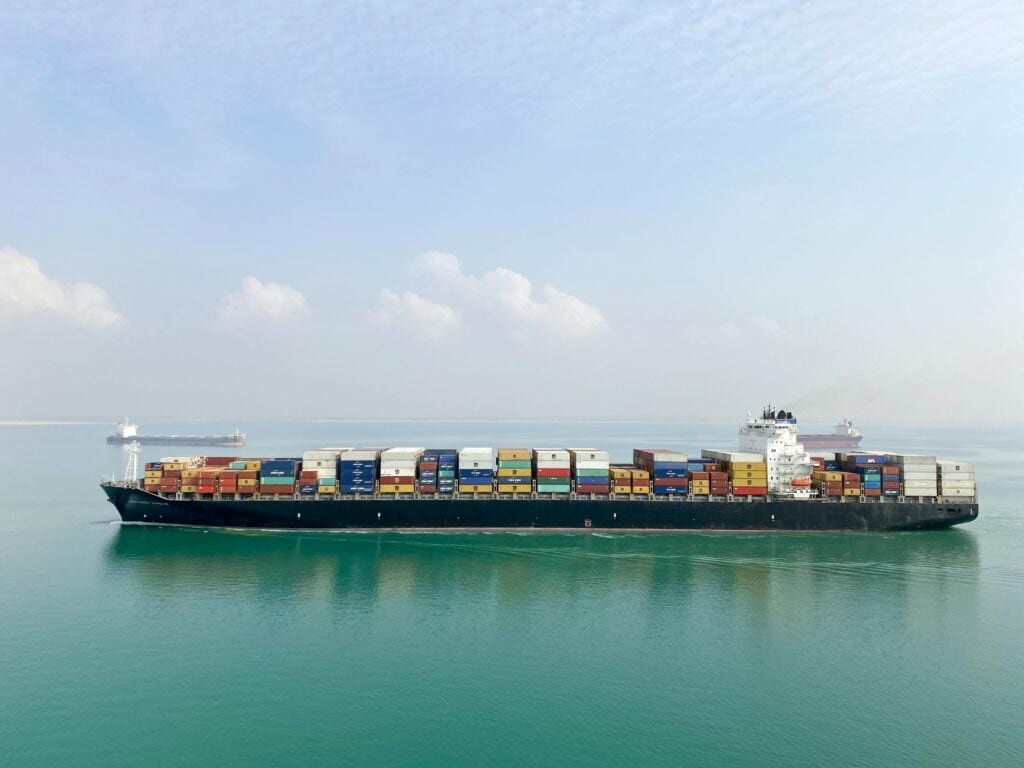
Compliance and reporting
Compliance with IMO MARPOL Annex VI requires more than certified equipment. For vessels operating globally, both NOx (Tier III, NECAs) and SO2 (Global Sulphur Cap, ECAs) emissions must be controlled – and increasingly, proven under real operating conditions.
NOx compliance is often based on certified engine data and assumed performance, while actual emissions remain unverified. At the same time, port state control increasingly demands transparent, data-driven proof of emissions.
Continuous emission monitoring ensures compliance not only on paper but in real operations.

Avoid being non-compliant with continuous emission monitoring
Despite clear emission limits and established compliance pathways under IMO MARPOL Annex VI, operational experience shows that actual NOx emissions can exceed expected levels in service.
These exceedances are rarely caused by missing technology, but by limited visibility into whether SCR and EGR systems continue to perform as intended.
SCR efficiency can degrade over time due to catalyst aging or poisoning, incorrect urea dosing, and varying load profiles and operating conditions.
Without direct insight into actual emissions, such deviations may remain undetected – creating a gap between certified compliance and real-world NOx performance, and putting ongoing compliance at risk.
Compliance to Global Sulphur Cap 2020
Under IMO MARPOL Annex VI, the Global Sulphur Cap limits sulphur emissions from vessels by requiring:
- Maximum 0.50% m/m sulphur content in fuel globally
- Maximum 0.10% m/m within Emission Control Areas (ECAs)
As an alternative to low-sulphur fuels, vessels may use approved equivalent solutions such as Exhaust Gas Cleaning Systems (EGCS), commonly known as scrubbers. These systems enable continued use of higher-sulphur fuels while ensuring that sulphur oxide (SOx) emissions remain within regulatory limits, in line with IMO guidelines – e.g. MEPC.340(77) and MEPC.259(68).
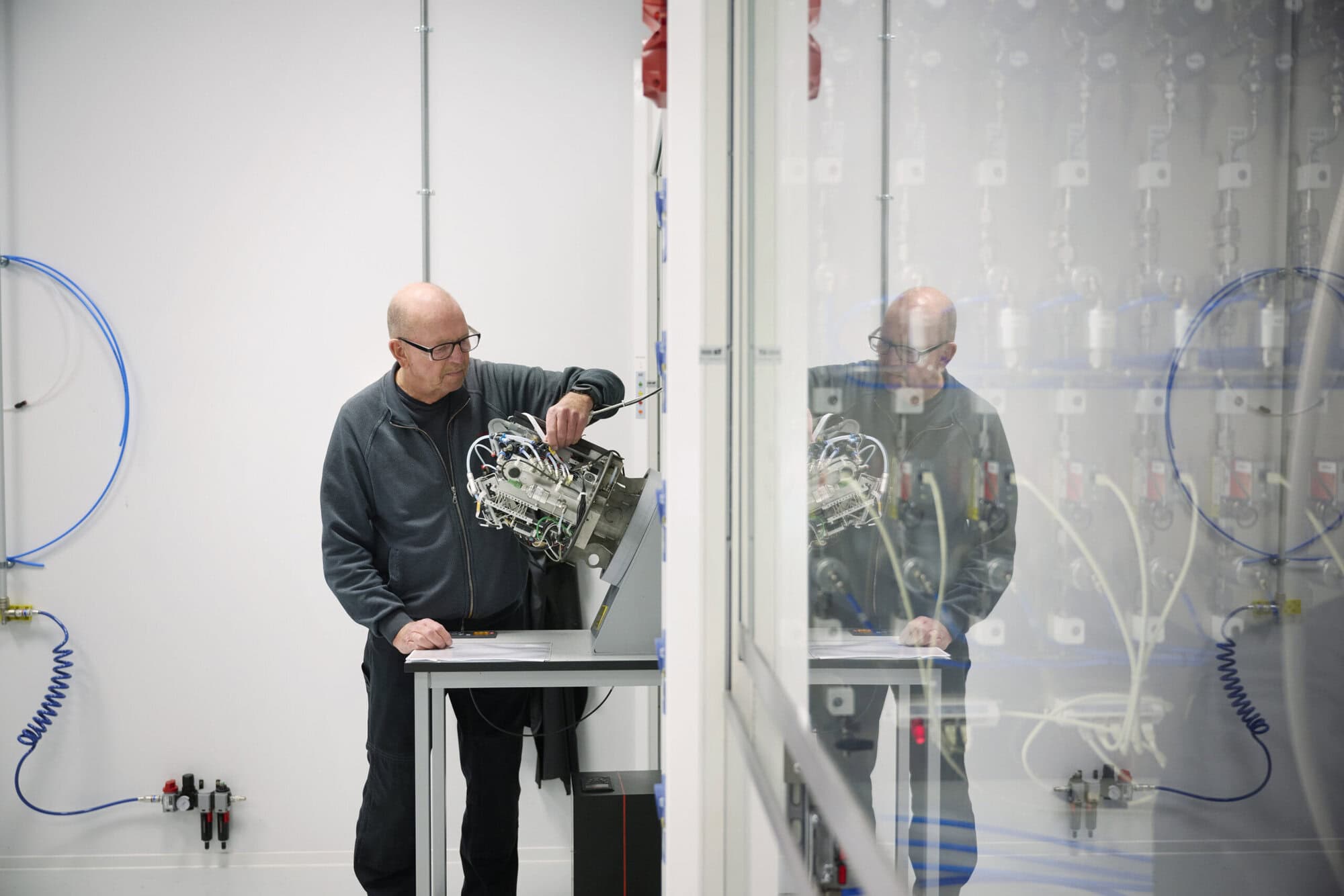
Proving compliance in operation is a key challenge
While Exhaust Gas Cleaning Systems (EGCS), also known as scrubbers, offer a compliant pathway under IMO regulations, proving compliance in operation remains a key challenge.
Shipowners must ensure that systems consistently achieve required SOx reduction, detect performance deviations, and maintain accurate, audit-ready documentation for inspections.
Without clear visibility into actual emissions, there is an increased risk that scrubber performance does not meet regulatory requirements in real-world operation.

Ready to ensure compliance in real operations?
Get the answers you need with expert support and technical guidance from our team.