

SCR optimization
Compliance with IMO Tier III NOx limits requires more than certified engine performance. In real operation, Selective Catalytic Reduction (SCR) systems can lose effectiveness due to catalyst degradation, incorrect urea dosing, or unintended bypass operation leading to higher emissions and increased compliance risk.
Meeting these requirements depends on effective NOx reduction strategies, such as SCR and Exhaust Gas Recirculation (EGR), each suited to different vessel and operating conditions.
Without continuous measurement, deviations in SCR performance often remain undetected until non-compliance is identified by regulators or Port State Control.
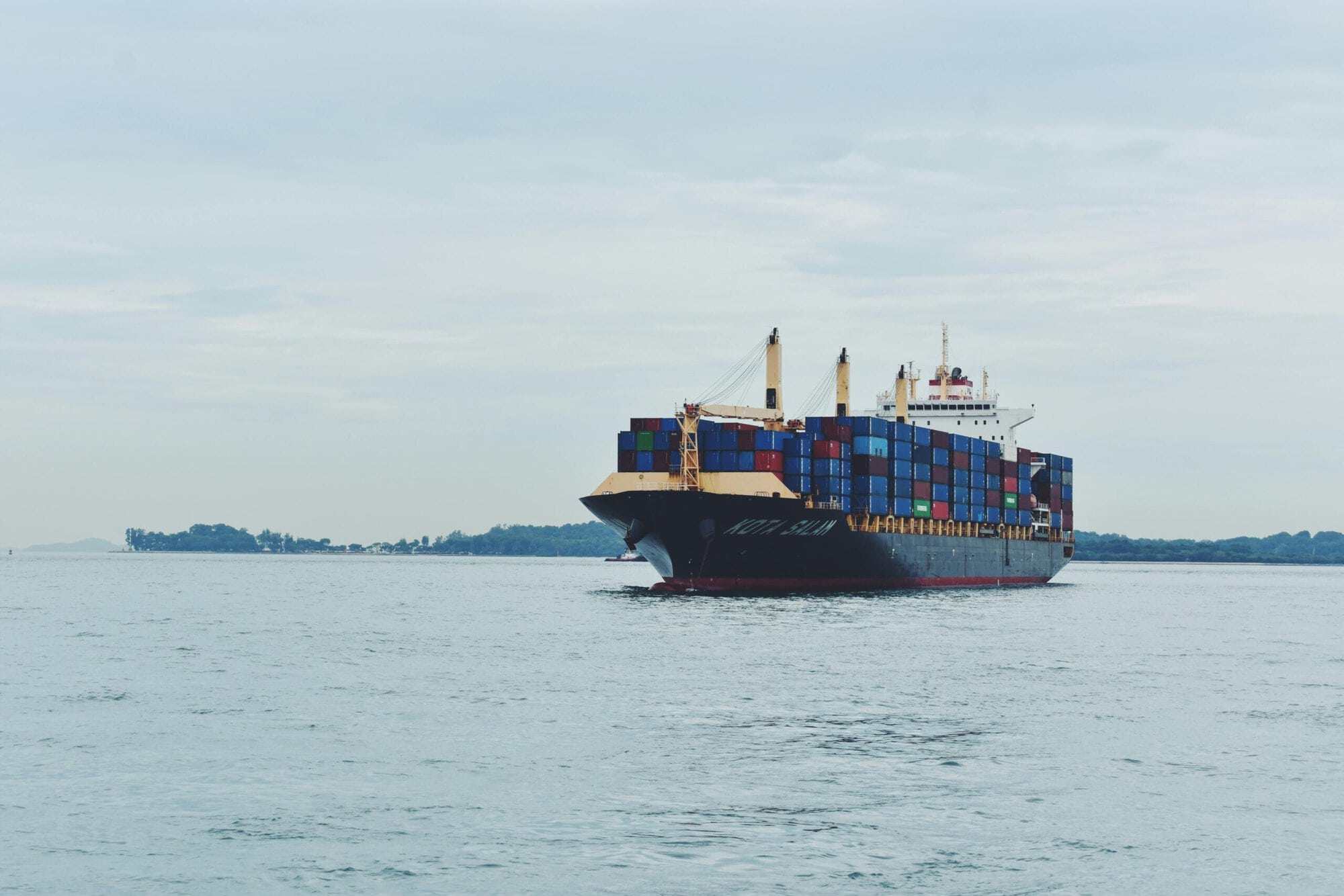
Using CEMS technology for optimizing SCR performance
Reducing NOx emissions to meet IMO Tier III limits depends on selecting and effectively managing the right emission control technology. Shipowners typically rely on two main strategies – exhaust gas recirculation (EGR) and selective catalytic reduction (SCR) – each suited for different vessel types and operating profiles.
Selective catalytic reduction (SCR) is an exhaust after-treatment technology that removes NOx from the exhaust stream by injecting urea. While highly efficient, SCR performance depends on precise urea dosing and stable operating conditions – where urea injection follows predefined settings as a function of load.
However, this approach does not reflect actual exhaust conditions and can lead to inefficiencies, especially during transient operation.
A more efficient and cost-effective alternative is to install a marine emission analyzer downstream of the SCR and use real-time NOx measurements as feedback for urea dosing. This enables more accurate control and improved transient performance, as regulation is based on the actual exhaust output from the SCR.
The impact of poor SCR performance
Poor SCR performance can lead to increased operational costs, reduced efficiency, and a higher risk of non-compliance.
Without accurate emissions data, maintaining optimal dosing and system control becomes difficult resulting in wasted resources, unstable performance, and potential system damage.

Higher operating costs
Excessive urea consumption and inefficient system operation.

Reduced efficiency
Inconsistent NOx reduction across varying engine loads.

Increased compliance risk
Greater likelihood of exceeding emissions limits.

System inability and damage
Risk of fouling, deposits, and long-term component degradation.
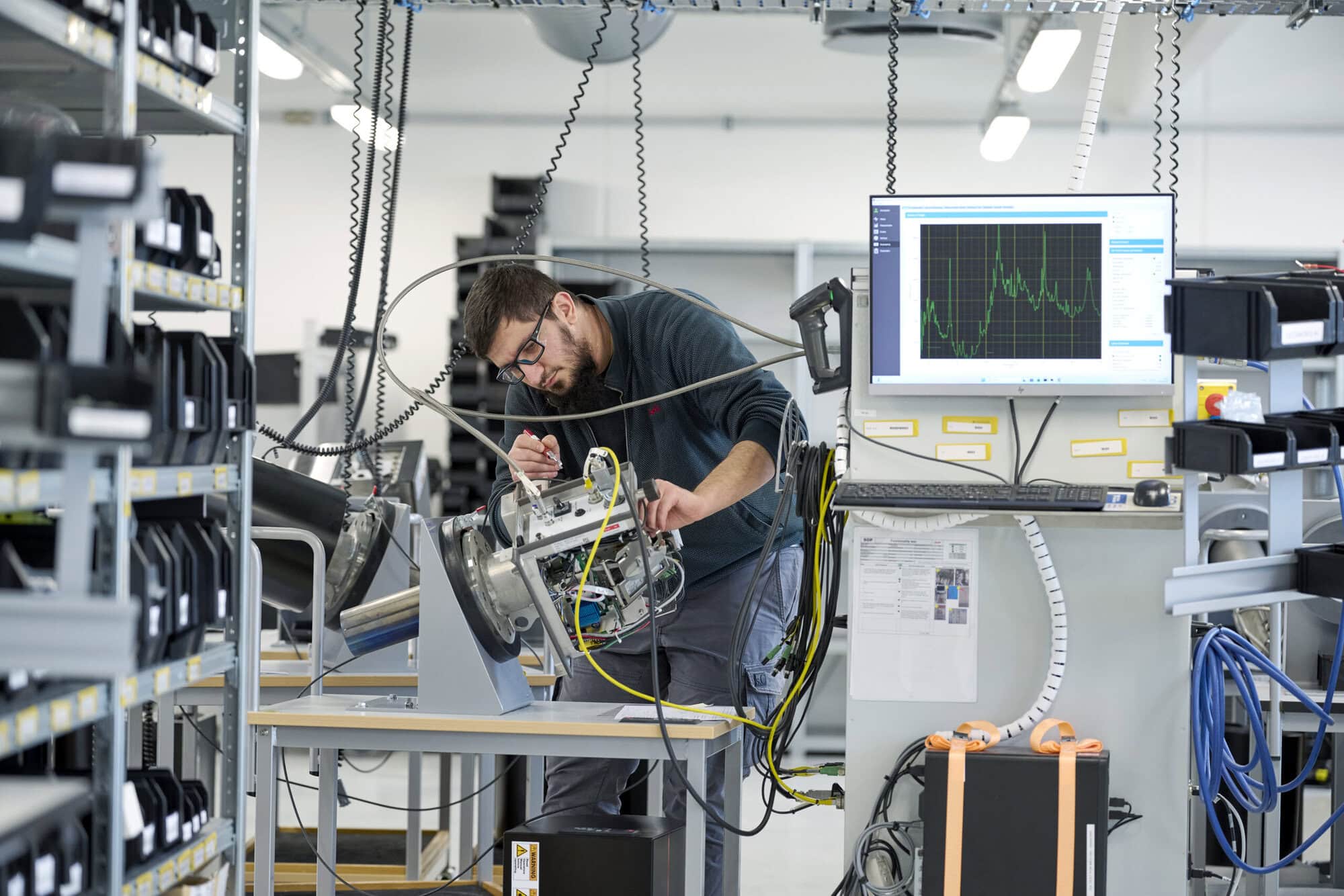
Optimized SCR performance with Danfoss IXA CEMS technology
By delivering fast and reliable ppm measurements, MES 1001 supports simplified SCR control and helps enable reduced urea consumption.
Used for monitoring or closed‑loop control, MES 1001 enables optimized SCR performance:
- Optimized urea dosing based on real NOx reduction demand
- Optimized NOx output across steady and transient engine loads
- Direct NH3 slip measurement for SCR condition monitoring
- Early detection of SCR degradation or abnormal operation
- Reduced risk of ammonium bisulfate formation, avoiding fouling and back‑pressure increase
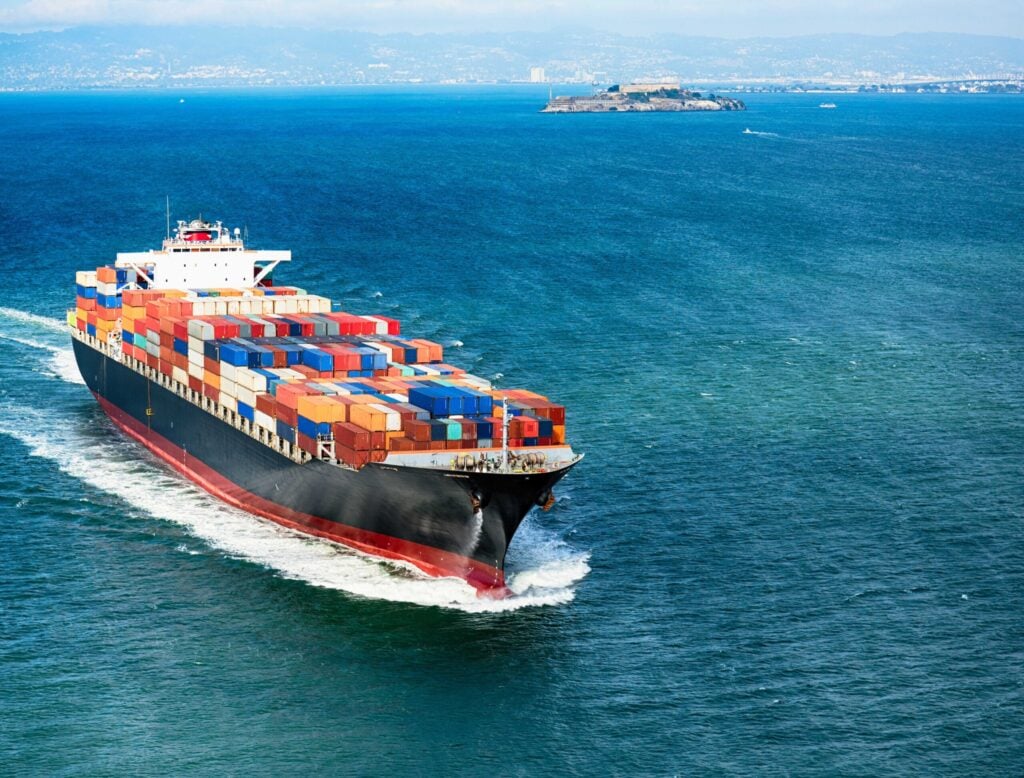
Yanmar – Cost efficient selective catalytic reduction process with marine emission monitoring
Yanmar – the leading Japanese manufacturer of marine engines and propulsion solutions has, through a long-term partnership with Danfoss IXA, tested the MES 1001 sensor for NOx, SO2, and NH3 in a closed-loop application for its Selective Catalytic Reduction (SCR) technology.

Ready to optimize your SCR system?
Talk to our experts to find the right setup for your vessel and operational needs.